Best Water Softener for Hard Water

For very hard water (25+ GPG), the SpringWell SS4 (~$1,800) is the top choice. Its 48,000-grain capacity with 10% crosslink resin has been tested to handle water up to 81 GPG, and the 13 GPM flow rate supports 3-4 simultaneous fixtures without pressure drops. For salt efficiency, the SoftPro Elite 64K (~$1,400) uses upflow regeneration to cut salt usage by 75% compared to standard downflow systems. On a budget, the Fleck 5600SXT 64K ($800-$1,000) delivers 2 cubic feet of resin for under a grand. Water hardness above 14 GPG is classified as "very hard" and affects roughly 85% of US homes to some degree. At these levels, scale buildup accelerates, soap efficiency drops, and water heater energy costs climb 25-40%. A properly sized softener pays for itself within 3-5 years through reduced appliance damage and lower energy bills.

Top 3 Picks for Hard Water

#1Best for 25+ GPG

SpringWell SS4 Salt-Based Water Softener

SpringWell

9/10

~$1,800

SpringWell SS4 Salt-Based Water Softener

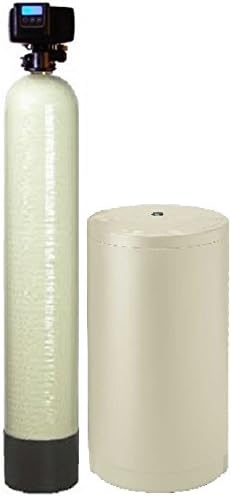
Mid-size premium softener for hard water households. 48,000-grain capacity handles families of 4-6 even with very hard water (25+ GPG). Same 10% crosslink resin and lifetime warranty as the SS1 in a larger package.

48K grains13 GPM7 PPM iron
Pros:
  • + 48,000-grain capacity for hard water up to 81 GPG tested
  • + 13 GPM flow rate supports 3-4 simultaneous fixtures
  • + 10% crosslink resin and Bluetooth app
  • + Lifetime warranty on tanks and valves
Cons:
  • - Overkill for soft-water areas under 10 GPG
  • - Larger footprint requires more installation space
Check Price at SpringWell
8.7/10

~$1,400

SoftPro Elite 64,000 Grain Water Softener

Upflow regeneration uses 75% less salt and 64% less water than standard downflow systems. Available in 7 grain capacities (24K-110K) for precise sizing. The 20-year resin lifespan makes it a strong long-term value.

64K grains15 GPM3 PPM iron
Pros:
  • + Upflow regeneration saves 75% on salt costs
  • + Available in 7 sizes from 24K to 110K grains
  • + 20-year resin lifespan
  • + High-efficiency metered valve
Cons:
  • - Higher price than Fleck for similar capacity
  • - Less widespread brand recognition
Check Price on Amazon
#3Best Budget

Fleck 5600SXT 64,000 Grain Water Softener

Fleck / DuraWater

8.5/10

$800-$1,000

Fleck 5600SXT 64,000 Grain Water Softener

Budget option for very hard water or larger households. 2 cubic feet of resin in a 12x52 tank handles high grain loads. Ideal for families of 4-6 with water hardness above 15 GPG.

64K grains16 GPM3 PPM iron
Pros:
  • + 64K grain capacity under $1,000
  • + 2 cubic feet of resin for hard water
  • + Same reliable Fleck 5600 valve
  • + DIY-friendly installation
Cons:
  • - Larger tank (12x52) needs more floor space
  • - Higher salt consumption than 48K model
Check Price on Amazon

Water Hardness Classification Table

Soft

0-3 GPG

Softener not needed. Your water is already soft.

Slightly Hard

3-7 GPG

Minimal scale. A conditioner is sufficient for most households.

Moderately Hard

7-10 GPG

Noticeable scale buildup. A softener improves appliance lifespan.

Hard

10-14 GPG

Significant scale. A 32K-48K softener is recommended.

Very Hard

14+ GPG

Aggressive scale and soap waste. A 48K+ softener is strongly recommended.

To convert PPM to GPG, divide by 17.1. For example, 250 PPM = 14.6 GPG (very hard).

Sizing for Hard Water

Hard water requires larger grain capacity because the softener consumes more of its resin capacity per gallon of water treated. The standard formula is the same, but the higher GPG multiplier pushes the result into larger tiers:

Weekly Grain Demand = People x 75 gal/day x Hardness (GPG) x 7 days

Family of 4 at 10 GPG: 4 x 75 x 10 x 7 = 21,000 grains/week → 32K unit

Family of 4 at 20 GPG: 4 x 75 x 20 x 7 = 42,000 grains/week → 48K unit

Family of 4 at 30 GPG: 4 x 75 x 30 x 7 = 63,000 grains/week → 64K unit

Family of 4 at 40 GPG: 4 x 75 x 40 x 7 = 84,000 grains/week → 80K unit

Doubling your hardness from 10 to 20 GPG doubles your grain demand, moving you from a 32K to a 48K softener. At 30 GPG, you need at least a 64K. This is why hard water areas should avoid undersizing. The extra $100-200 for the next tier up saves hundreds in salt costs and years of resin life.

85% of US Homes Have Hard Water

The US Geological Survey reports that approximately 85% of American homes receive hard water. The hardest water in the country is concentrated in the Midwest, Southwest, and Florida, where groundwater passes through limestone and mineral-rich aquifers. Cities like Indianapolis, Las Vegas, Phoenix, San Antonio, and Tampa regularly measure above 20 GPG.

Hard water costs the average household $800-1,200 per year in hidden expenses: scale reduces water heater efficiency by 25-40%, shortens appliance lifespans by 30-50%, increases soap and detergent usage by 50-75%, and causes plumbing repairs from mineral buildup. A water softener eliminates these costs while improving water pressure and the feel of water on skin and hair.

Even moderate hardness (7-10 GPG) causes measurable damage over time. The difference is the timeline: at 10 GPG, a water heater loses noticeable efficiency over 2-3 years. At 25 GPG, the same damage occurs in 6-12 months. Higher hardness does not just mean more problems, it means faster problems.

Hard Water Softener Comparison

ProductPriceGrain CapacityFlow RateScoreBest For
SpringWell SS4 Salt-Based Water Softener~$1,80048K13 GPM9/1025+ GPG, premium quality
SoftPro Elite 64,000 Grain Water Softener~$1,40064K15 GPM8.7/10Salt efficiency, long-term value
Fleck 5600SXT 64,000 Grain Water Softener$800-$1,00064K16 GPM8.5/10Budget, high capacity

Frequently Asked Questions

What water softener do I need for 25 GPG hard water?

At 25 GPG, a family of 4 generates 52,500 grains of hardness per week (4 x 75 x 25 x 7). You need a 64,000-grain softener at minimum. The SpringWell SS4 (48K grains, tested to 81 GPG) handles it with premium resin and efficient regeneration, while the Fleck 5600SXT 64K is the budget path at under $1,000. For families of 5 or more at 25 GPG, consider the 80,000-grain tier. Avoid 32K units entirely at this hardness level, as they would regenerate every 3-4 days and burn through salt.

How do I know if I have very hard water?

Water above 14 GPG (240 PPM) is classified as very hard. Common signs include white crusty buildup on faucets and showerheads, soap that won't lather properly, stiff laundry after washing, spots on dishes from the dishwasher, and a film on glass shower doors that cleaning products can't remove. For an exact measurement, use a test strip from any hardware store ($10-15), request your city's annual water quality report, or send a sample to a certified lab ($20-50). Your municipal water report lists hardness in PPM. Divide by 17.1 to convert to GPG.

Will a water softener work with extremely hard water (50+ GPG)?

Yes, but you need the right unit. Most residential softeners are designed for water up to 75-80 GPG. The SpringWell SS4 is tested to 81 GPG and handles extreme hardness with its 48,000-grain capacity and 10% crosslink resin. For 50+ GPG water, size aggressively: a family of 4 at 50 GPG needs 105,000 grains per week, pointing to an 80K unit or larger. The SoftPro Elite is available in capacities up to 110K grains for extreme cases. Expect higher salt consumption (roughly double at 50 GPG vs 25 GPG) and more frequent regeneration cycles.

Related Guides

As an Amazon Associate, this site earns from qualifying purchases. We may earn a commission from SpringWell purchases made through our links.